
What are dental Implants
6/10/20264 min read
A Complete Guide for Patients
Missing teeth can affect more than just your appearance. They can make it difficult to eat, speak clearly, and smile with confidence. Fortunately, modern dentistry offers a long-lasting solution: dental implants.
This comprehensive guide explains everything patients need to know about dental implants, including how they work, their benefits, the treatment process, and whether they may be the right choice for you.
Dental Implant
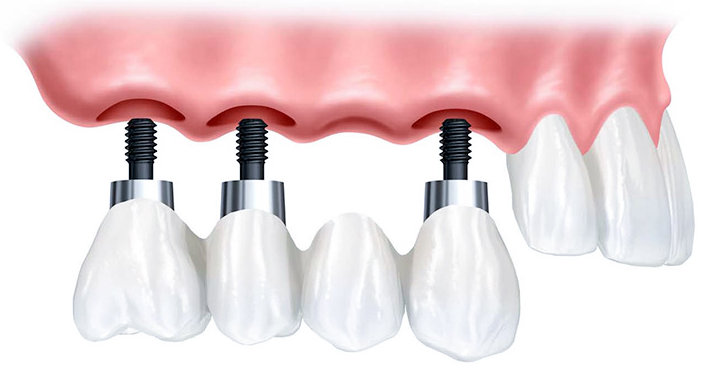
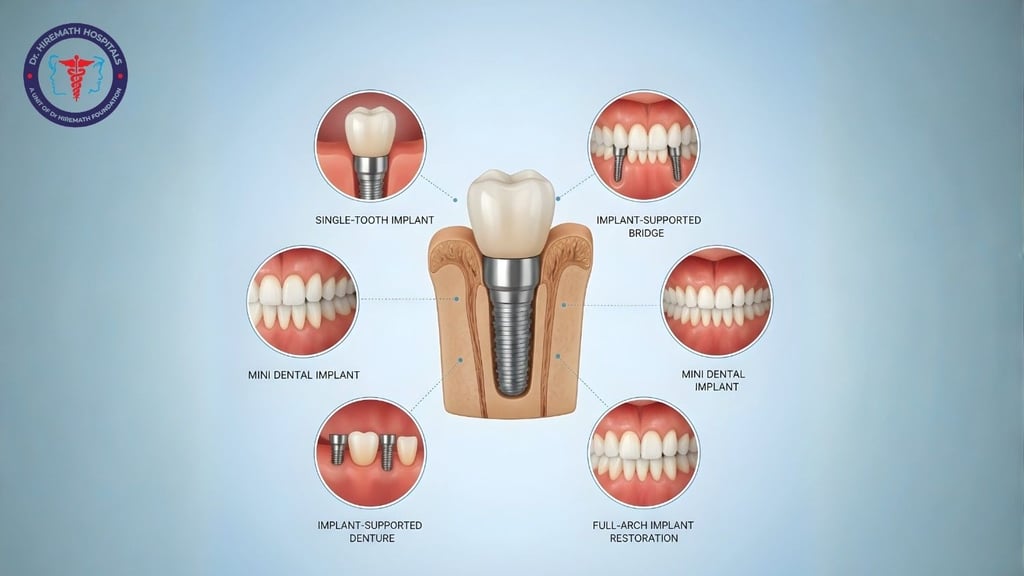
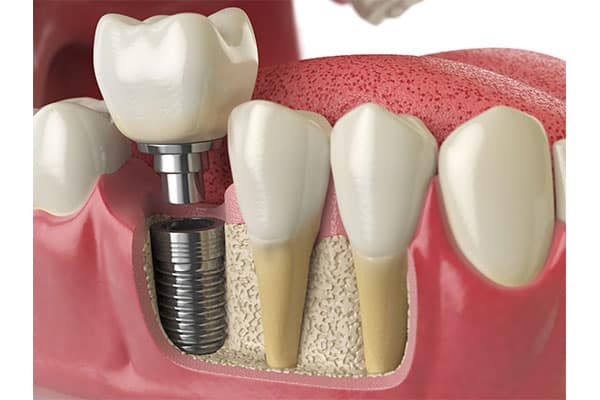
A dental implant is an artificial tooth root, usually made of titanium, that is surgically placed into the jawbone. Once the implant integrates with the bone, it serves as a strong foundation for a replacement tooth, bridge, or denture.
A dental implant typically consists of three parts:
Implant Fixture: The titanium post placed in the jawbone.
Abutment: The connector that attaches to the implant.
Crown: The visible tooth-like restoration placed on top.
Together, these components create a replacement tooth that closely resembles the appearance and function of a natural tooth.
WhyDoPeople NeedDental Implants?
Dental implants are recommended for patients who have lost one or more teeth due to:
Tooth decay
Gum disease
Trauma or accidents
Failed root canal treatments
Congenital absence of teeth
Replacing missing teeth is important not only for aesthetics but also for maintaining oral health and preventing bone loss.
Benefits of Dental Implants
Natural Appearance and Function
Dental implants are designed to look, feel, and function like natural teeth.
Preservation of Jawbone
When a tooth is lost, the surrounding jawbone gradually shrinks.
Dental implants stimulate the bone and help maintain its volume and strength.
Long-Term Solution
With proper care, dental implants can last for many years and often decades.
Improved Comfort
Unlike removable dentures, implants remain fixed in place and do not slip while speaking or eating.
Better Chewing Efficiency
Patients can enjoy a wider variety of foods without discomfort.
Protection of Adjacent Teeth
Unlike dental bridges, implants do not require grinding down neighboring healthy teeth.
Who Is a Good Candidate for Dental Implants?
Most healthy adults can be candidates for dental implants. Ideal candidates typically have:
Good general health
Healthy gums
Adequate jawbone volume
Good oral hygiene habits
Non-smoking or willingness to stop smoking during healing
Even patients with bone loss may qualify through procedures such as bone grafting or sinus augmentation.
The Dental Implant Procedure
Step 1: Consultation and Evaluation
Your dentist or oral and maxillofacial surgeon will perform a clinical examination, digital scans, and radiographic imaging to assess your oral health and bone quality.
Step 2: Implant Placement
The implant is surgically placed into the jawbone under local anesthesia or sedation.
Step 3: Healing and Osseointegration
Over the next few months, the implant fuses with the jawbone through a process called osseointegration.
Step 4: Abutment Placement
Once healing is complete, an abutment is attached to the implant.
Step 5: Final Crown Placement
A custom-made crown is fabricated and attached to complete the restoration.
Is Dental Implant Surgery Painful?
Most patients are surprised by how comfortable the procedure is. Local anesthesia ensures minimal discomfort during surgery, and postoperative pain is usually manageable with prescribed medications.
Many patients report that dental implant surgery is easier than a tooth extraction.
How Long Does Treatment Take?
The total treatment time varies depending on individual circumstances.
Simple cases: 3–6 months
Cases requiring bone grafting: 6–12 months
Immediate implant protocols may allow earlier restoration in selected patients
Your dentist will create a personalized treatment plan based on your needs.
How Successful Are Dental Implants?
Dental implants have a success rate of over 95% when placed by experienced clinicians and maintained with proper oral hygiene.
Regular dental checkups and professional cleanings are essential for long-term success.
Caring for Dental Implants
Maintaining implants is similar to caring for natural teeth:
Brush twice daily
Floss regularly
Use interdental cleaning aids when recommended
Attend routine dental visits
Avoid smoking
Good oral hygiene helps prevent peri-implant disease and ensures long-term implant health.
Are Dental Implants Worth It?
Although dental implants may require a higher initial investment compared to other tooth replacement options, they offer exceptional durability, comfort, aesthetics, and function. For many patients, they are considered the most reliable and natural-feeling solution for replacing missing teeth.
Final Thoughts
Dental implants have transformed modern dentistry by providing a predictable, long-lasting solution for missing teeth. They restore not only smiles but also confidence, function, and quality of life.
If you are considering dental implants, schedule a consultation with an experienced implant dentist or oral and maxillofacial surgeon to determine the best treatment option for your individual needs.




Expert care for your smile, skin, and hair.
Services
✉️ asyaclinics@gmail.com
☎️ +91 93921 48269
© 2026. All rights reserved.


contact us
aDDRESS
Āsya Clinics, Kesava Towers, Sri Harsha towers, opposite Mahindra Ashvita, Kukatpally Housing Board Colony, Hafeezpet, Hyderabad, Telangana 500085